Our Guide to Natural Stone
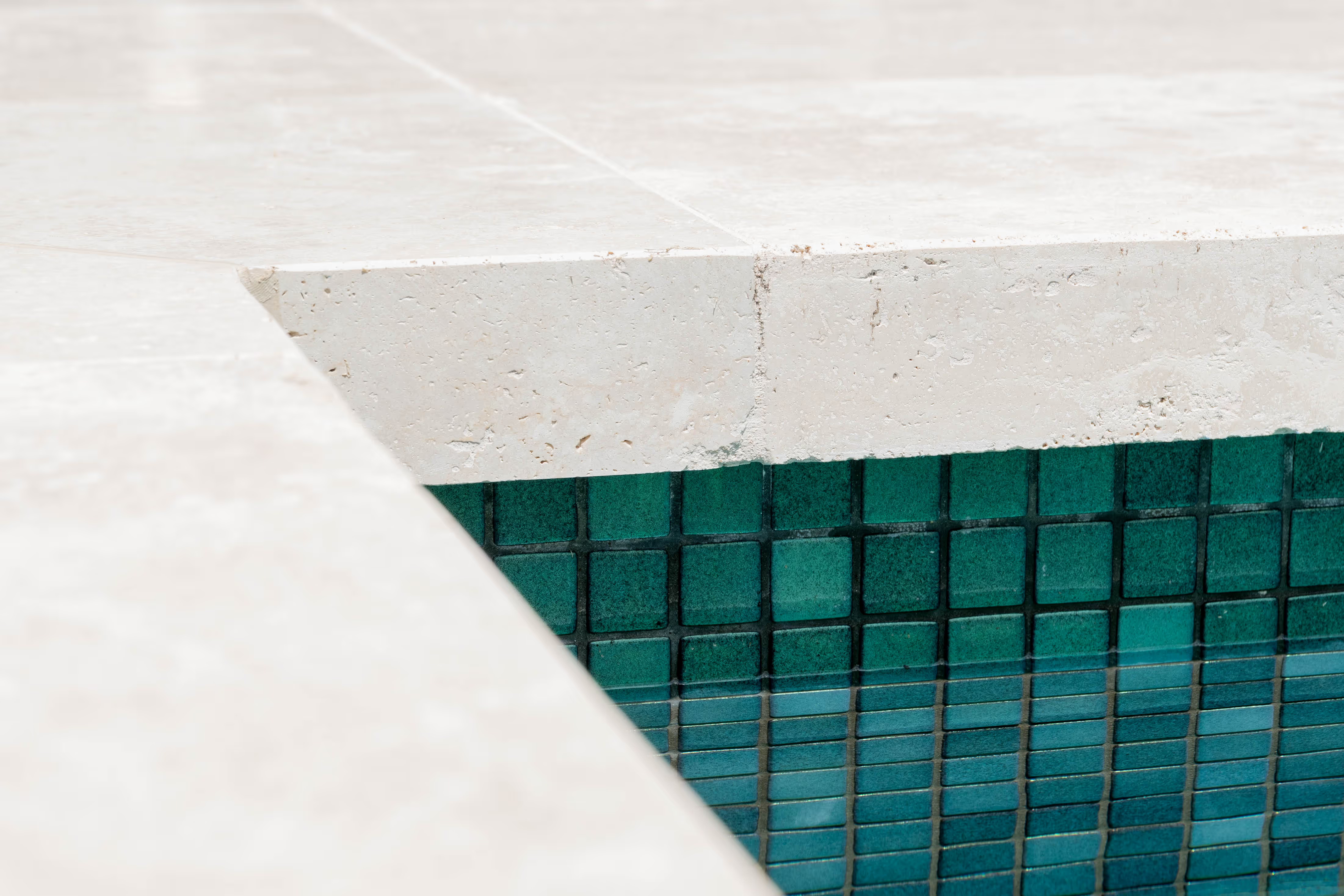
Key Takeaways
- Each natural stone has its own personality. Travertine is warm and porous, dolomite is durable and stain-resistant, marble is the ultimate luxury statement, and limestone offers soft, earthy elegance.
- The right choice depends on application. Travertine pavers and limestone slabs suit outdoor and large-format uses, while heavy-traffic kitchens and bathrooms favour dolomite slabs and marble slabs.
- Sealing and routine maintenance are non-negotiable. A good penetrating sealer protects your investment from staining, etching and weather damage.
- Sourcing matters. Working with an established Australian importer like Europe Imports gives you consistency in colour, finish and supply across large projects.
At Europe Imports, we've spent years curating a premium range of natural stone from quarries across Europe and beyond, working with pool builders, home builders, architects, interior designers and tile distributors right around Australia. This guide pulls together everything you should know before you buy, including the four stones we get asked about most often: travertine pavers, dolomite slabs, marble slabs and limestone slabs.
Why Natural Stone?
Natural stone is quarried directly from the earth, then cut, finished and packed for distribution. Because it's a natural material, every piece carries its own veining, tone and texture, so when you install it you're laying down something genuinely one-of-a-kind. It's also remarkably tough. Stone has been holding up Roman aqueducts and Greek temples for two millennia, and the same properties make it ideal for modern Australian homes that contend with strong UV, salt air and big temperature swings.
Beyond looks and longevity, natural stone is a long-term value play. Engineered alternatives can date quickly. Stone tends to age the other way, taking on character and natural beauty as it patinas. For pool builders, home builders, interior designers and architects working at the premium end of the market, that timelessness is often the deciding factor.
Travertine Pavers
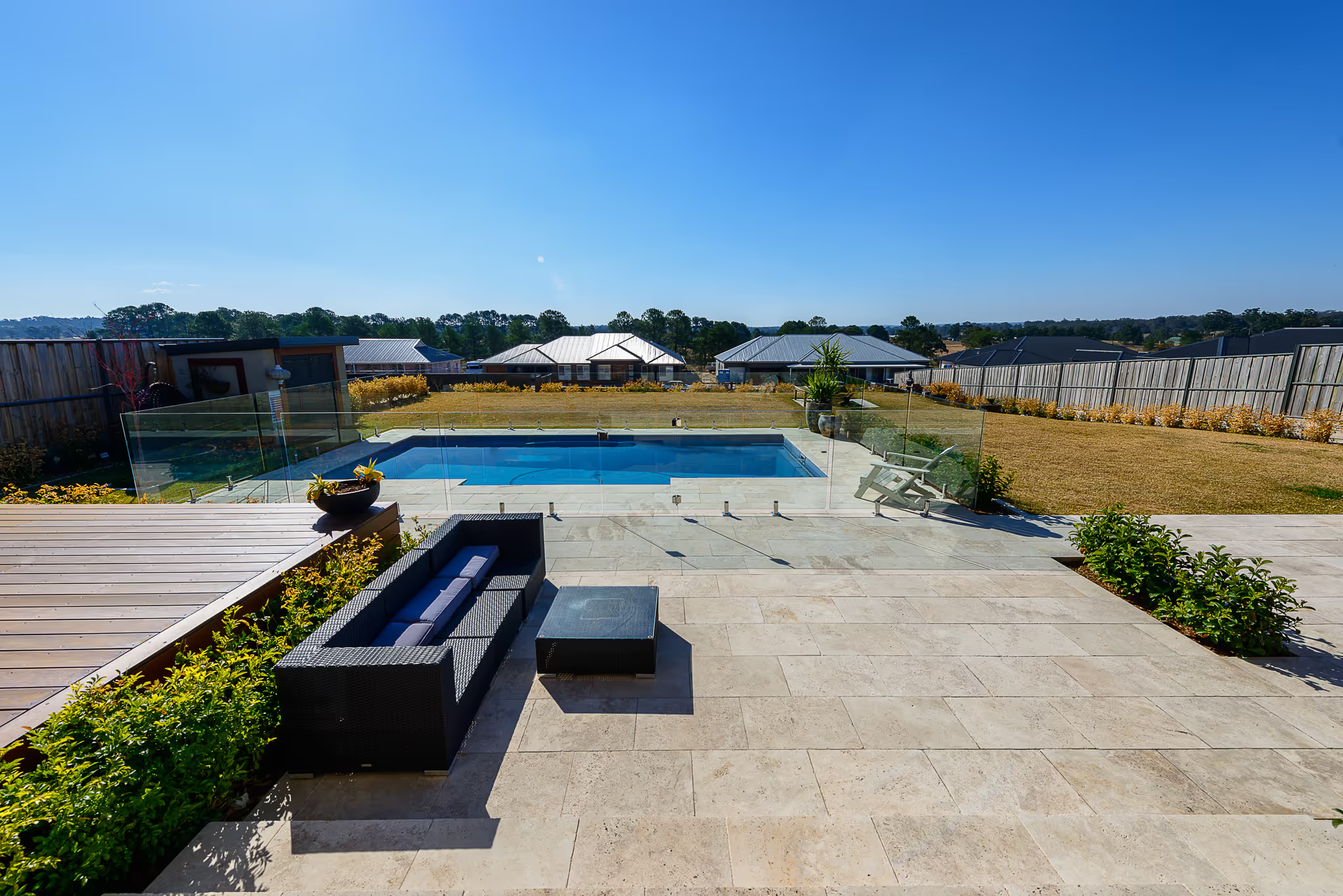
Travertine is a form of limestone that forms around mineral spring deposits, which gives it that distinctive layered, lightly pitted character. It's one of the most versatile outdoor stones in the world, and travertine pavers are a favourite for pool surrounds, alfresco areas, courtyards and driveways across Australia.
What makes travertine pavers so suited to outdoor work is their natural temperature regulation. The porous structure stays noticeably cooler than concrete or porcelain on a 38-degree summer day, which is exactly what you want underfoot around a pool. Most travertine pavers also achieve a P3 or P4 slip rating in their natural or honed finish, making them safe in wet areas without needing a heavily textured surface.
Travertine comes in classic creams, walnut tones, silver and golden hues. Honed and filled finishes give a smoother, more contemporary feel, while unfilled travertine pavers preserve the rustic, textural look that works beautifully in resort-style or Mediterranean designs. At Europe Imports, our travertine pavers are graded for Australian conditions and finished to suit pool builders, landscapers and home builders working on premium residential projects.
Dolomite Slabs
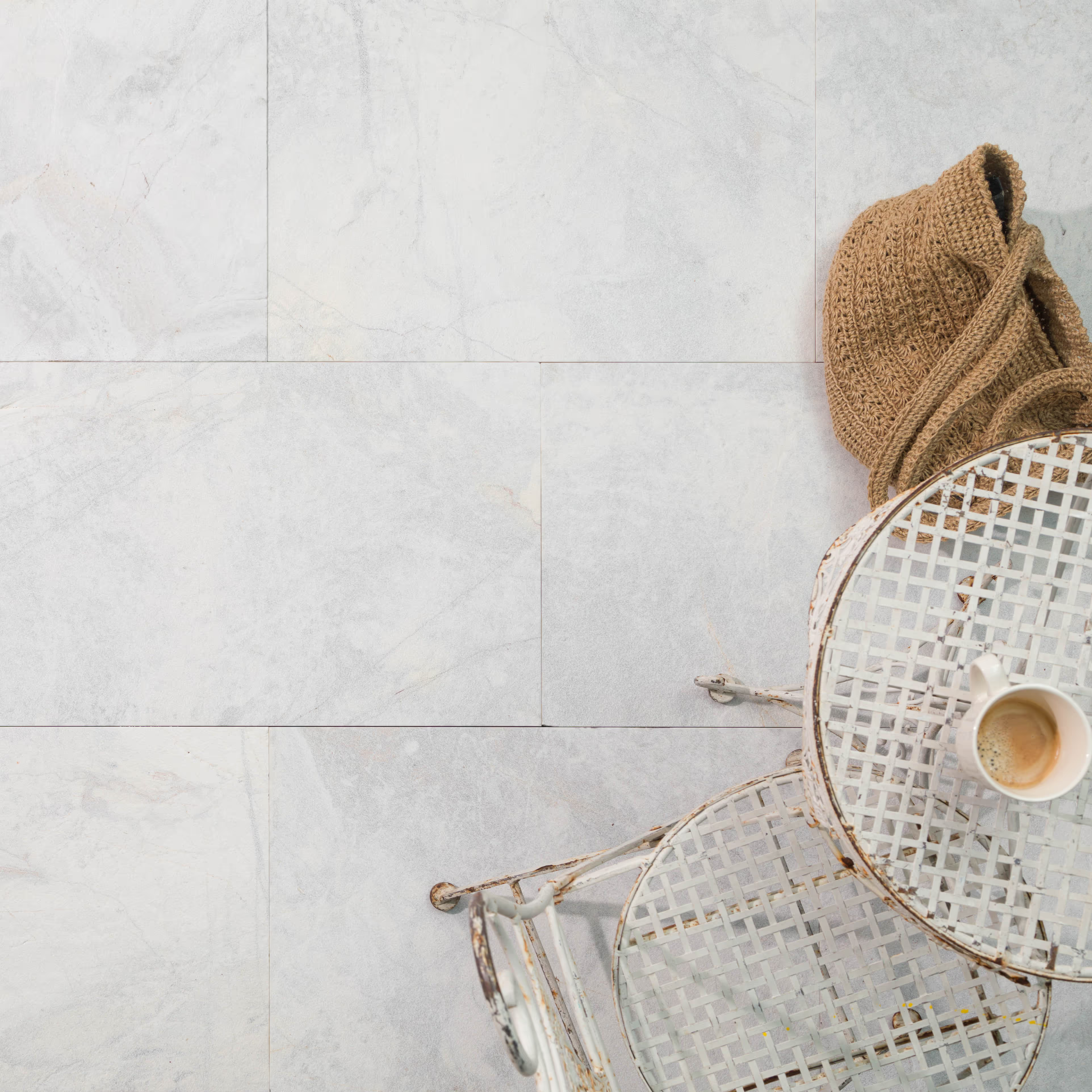
Dolomite is the secret weapon of high-performance interiors. It's a sedimentary stone that sits between marble and quartzite on the hardness scale, which means it gives you the visual softness and luxe veining of marble without quite the same vulnerability to etching and acid damage.
Dolomite slabs are an outstanding choice for kitchen benchtops, splashbacks, bathroom vanities and feature islands. The slab format means you can run a single sweep of stone across a long bench or pour it down the side of an island as a waterfall edge, with bookmatched veining that becomes the design centrepiece of the room.
Popular dolomite varieties move from cool, snowy whites with grey veining through to warmer beige and gold-flecked options. Because dolomite is denser than traditional marble, it's a smart pick for clients who want the white-marble look but live a busy family life in their kitchen. Our dolomite slabs are stocked in full slab sizes so designers can specify with confidence on bookmatched and feature applications.
Marble Slabs
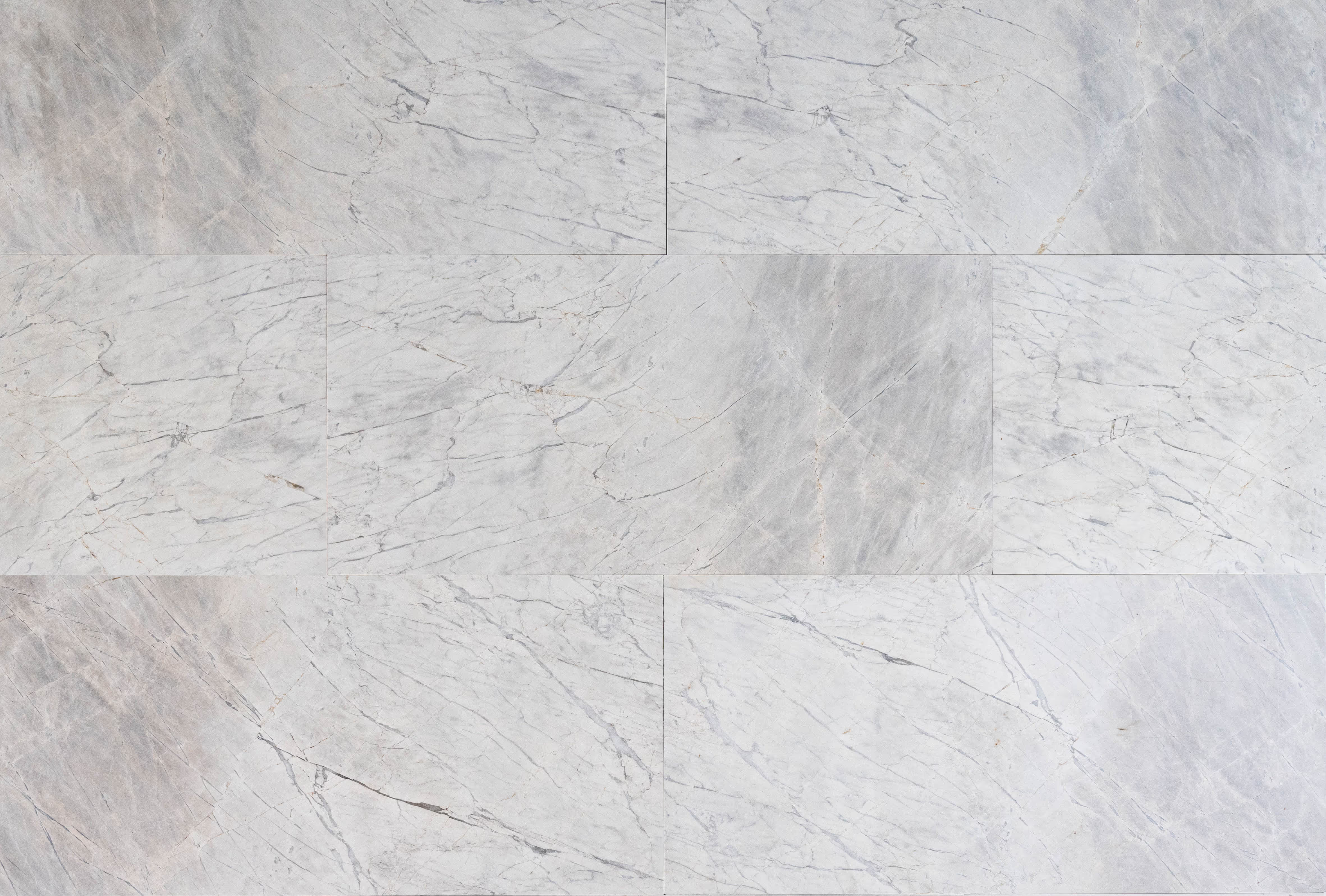
Marble is the material every other stone is measured against. Formed when limestone is exposed to enormous heat and pressure deep within the earth, marble takes a high polish and reveals dramatic veining and crystalline depth that no synthetic surface can quite replicate.
Marble slabs are the centrepiece of luxury interiors. Think large-format flooring in a foyer, a fireplace surround in a living room, an oversized vanity top in an ensuite, or the kind of statement kitchen island that anchors an entire build. The breadth of varieties available, from the classic grey-veined whites to deep emerald, dramatic black and warm honey-toned options, means there's a marble to suit almost every brief.
Marble does ask for a little more from you than dolomite or granite. It's softer and more reactive to acids, so red wine, citrus and some cleaning products can leave etch marks if they sit. The fix is straightforward. A high-quality penetrating sealer applied at install, refreshed every couple of years, plus pH-neutral cleaning, keeps marble slabs looking world-class for decades.
Limestone Slabs
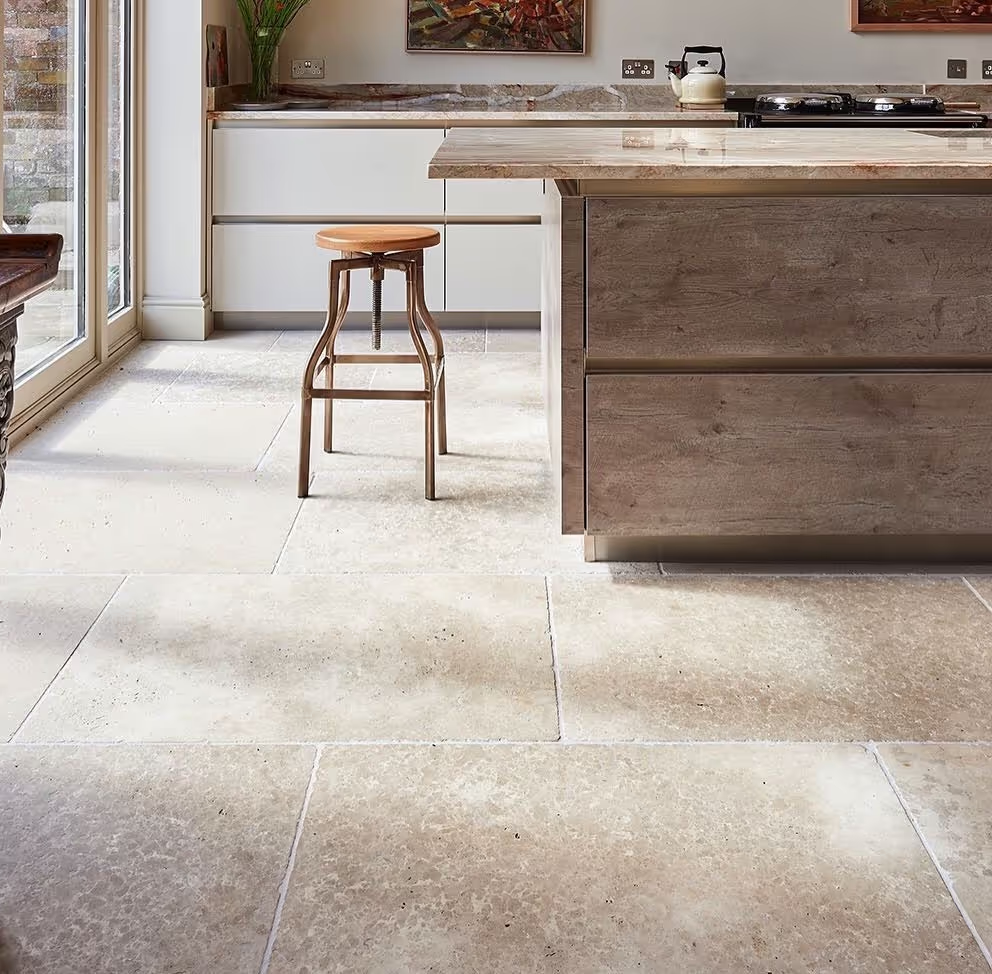
Limestone has a quiet confidence to it. Where marble dazzles and travertine textures, limestone delivers calm, even tones that work beautifully in pared-back, architectural designs. It's the stone you'll often see in European villas, Hamptons-style homes and contemporary minimalist projects across Sydney, Melbourne and Brisbane.
Limestone slabs are typically used for flooring, wall cladding, large-format pavers and feature walls. The colour palette skews warm and earthy, with creams, beiges, soft greys and the occasional fossil-flecked option that adds genuine character. Honed and sandbrushed finishes are the most popular, both indoors and out.
Limestone is softer than marble or dolomite, which makes it easy to fabricate but also a stone that benefits from proper sealing, especially in wet areas or near pools. Done well, limestone slabs deliver an understated luxury that gets better with age.
How to Choose the Right Natural Stone for Your Project
The best stone for your project depends on three things: where it's going, how much wear and exposure it will take, and the look you're chasing.
For outdoor and poolside projects, travertine pavers and limestone slabs in a non-slip finish are usually the strongest pair. For high-traffic kitchens and laundries, dolomite slabs offer the safest balance of beauty and resilience. When the brief calls for a wow-factor statement, marble slabs are difficult to beat. And for clients who want a low-key, sophisticated palette, limestone slabs deliver elegance without ego.
Always specify the right finish for the application. Honed for indoor floors and wet areas, polished for benchtops where you want depth and shine, sandbrushed or natural for outdoor pavers where slip resistance matters. And always sample at scale. Stone reads very differently in a 600 by 600 mm tile compared to a 3000 by 1500 mm slab, so see large pieces before you commit.
Care, Sealing and Longevity
Every natural stone needs sealing to perform at its best. A penetrating sealer fills the microscopic pores in the stone, blocking liquids before they can stain or etch the surface. As a rule of thumb, reseal indoor benchtops every 12 to 24 months and outdoor pavers every two to three years, though the exact interval depends on traffic, exposure and the specific stone.
Day-to-day, stick to pH-neutral cleaners. Skip vinegar, citrus and bleach-based products on marble slabs, dolomite slabs and limestone slabs, since acidic cleaners can dull or etch the surface. Outdoors, a quick sweep and an annual pressure-clean is usually enough to keep travertine pavers and limestone slabs looking sharp.
Sourcing Natural Stone with Europe Imports
There's a real difference between buying stone off-the-shelf and working with an Australian importer who genuinely lives and breathes the material. Our team in Kings Park has been hand-selecting natural stone for years, and we work with pool builders, custom home builders, architects, interior designers and tile distributors across Australia.
Every order we ship is supported by deep product knowledge, generous samples, and a showroom you can visit and walk through, so you can see how the stone behaves at full scale and in natural light. We also stock complementary ranges across mosaics, porcelain tiles, stone slabs, pavers and cladding, so an entire scheme can be specified through one supplier with confidence in lead times and consistency.
If you're planning a project, the easiest way to start is to drop into our Kings Park showroom or call us on 1300 EUROPE. We'll talk through the application, the look you're after and the realities of installation, then point you to the stones that will actually deliver on the brief.
Natural Stone Tiles FAQs
Where does Europe Imports source its natural stone from?
We work directly with established quarries and processing partners across Europe, the Middle East and selected regions further afield, hand-picking material that meets our standards for colour consistency, density and finish. Container availability and lead times are managed from our Kings Park warehouse in Sydney.
Can natural stone be installed over an existing concrete slab outdoors?
In most cases, yes. Travertine pavers and limestone pavers can be laid over a properly prepared concrete substrate using either a bedding mortar or a pedestal system, depending on falls, drainage and the size of the paver. Your installer will want to confirm the slab is structurally sound and free of moisture issues before fixing.
Does natural stone work with underfloor heating?
It does, and it's actually an excellent pairing. Stone has high thermal mass, so once it warms up it holds heat efficiently. Marble slabs, limestone slabs and dolomite slabs all perform well with hydronic and electric underfloor systems, provided the installer follows the manufacturer's guidelines for build-up and expansion joints.
Is natural stone a sustainable choice?
Stone is one of the longest-lasting building materials available. Because individual pieces can last for generations and don't off-gas or degrade like many synthetic surfaces, the lifetime environmental footprint is often lower than people assume.